
Yes — a travel eSIM works across Mexico. Ours connects to Telcel, AT&T and Movistar. Mexico now requires every Mexican phone line to be registered to an ID, but according to the regulator, tourists using a foreign line on roaming — which is what a travel eSIM is — don’t need to register.
- Our Mexico eSIM uses Telcel, AT&T and Movistar — Telcel is the largest network.
- Mexico’s 2026 phone registry applies to Mexican lines; tourists on roaming are exempt (per the regulator).
- Ride apps can’t pick up at Mexican airports — use official taxis or pre-booked transfers.
- Cenotes and remote areas often have no signal; Highway 307 along the Riviera Maya does.
- From the US? Many AT&T and T-Mobile plans already include Mexico — check yours first.
Which networks will your eSIM use?
Telcel is Mexico’s largest operator, with about 59% of mobile lines, followed by AT&T (16%) and Movistar (15%) — and Movistar has run on AT&T’s network since 2022. In Opensignal’s October 2025 report Telcel won Reliability, Coverage and all speed awards, while AT&T won Availability. Our Mexico eSIM can use Telcel, AT&T and Movistar.

Mexico’s 2026 phone registry: do tourists need to register?
Since January 2026, every new Mexican mobile line must be linked to its owner’s ID, and existing lines are being registered on a staggered calendar through 31 December 2026 — unregistered lines are cut to emergency calls only. This applies to Mexican SIMs and eSIMs (foreigners can register with a passport). According to the regulator’s public statements, visitors using a foreign line on roaming don’t need to register — and a travel eSIM is a foreign line that roams. The regulator has also pointed out that foreign eSIMs aren’t a way for residents to dodge registration, and that they’re usually data-only.
Arriving — and the airport ride rule
Mexico City (MEX) is the busiest airport, followed by Cancún (CUN), Guadalajara (GDL) and Los Cabos (SJD). One rule catches many visitors: Mexico’s transport ministry says ride-hailing apps such as Uber are not authorised to pick up passengers at federal airport zones — at Cancún, arrival pickups are reserved for licensed taxis and transfers. Drop-offs are fine, and pre-booked options exist. With your eSIM on as you land, you can book a transfer or message your hotel before you leave the terminal.
Coverage: cities, beaches and cenotes
- Cities: strong 4G/5G in Mexico City, Guadalajara, Monterrey and the main resort towns.
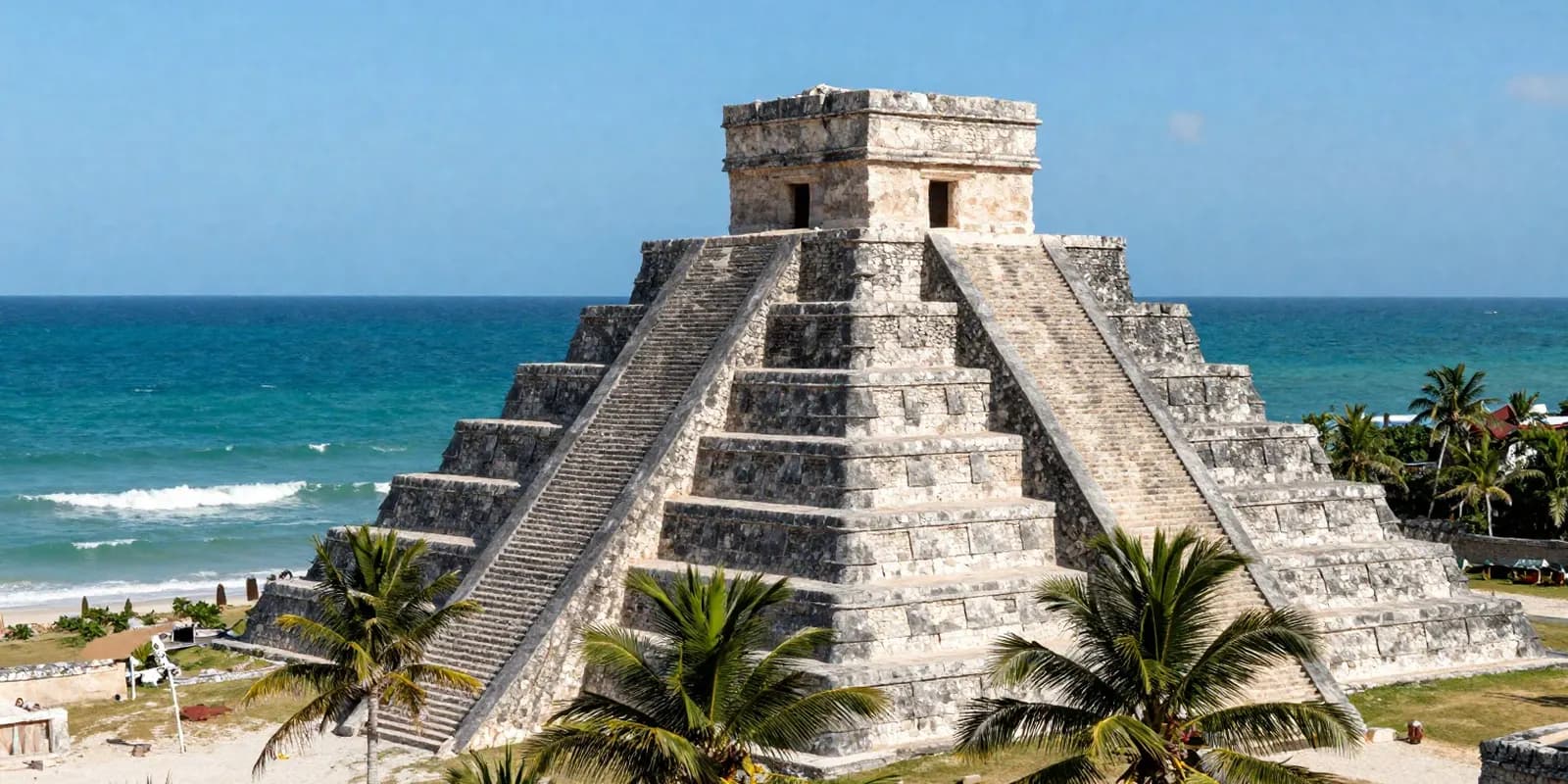
- Riviera Maya: good coverage along Highway 307 between Cancún, Playa del Carmen and Tulum.
- Cenotes and caves: weak or no signal — save directions and tickets before you go.
- Rural Oaxaca and Chiapas, Copper Canyon: patchy outside towns; download offline maps.

Coming from the US? Check your plan first
Several US plans include Mexico: AT&T Unlimited plans cover talk, text and data in Mexico and Canada, and T-Mobile’s “Canada & Mexico included” benefit gives 5–15 GB of high-speed data on many plans before slowing down. If your plan already covers Mexico, you may not need an eSIM. If it doesn’t — or you need more high-speed data — a prepaid eSIM is the cheaper option. Visiting the US or Canada on the same trip? Our North America plan covers all three.
Set up your Mexico eSIM
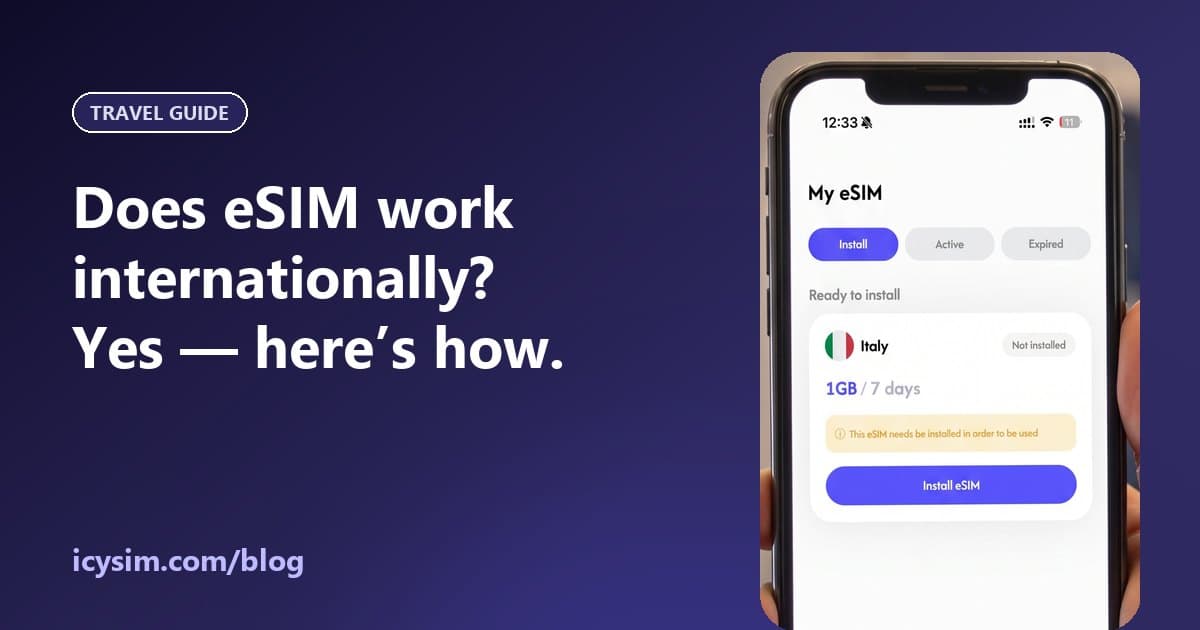
- Buy a Mexico plan before you go.
- Install it at home on Wi-Fi; validity starts when you first use data.
- When you land, set the eSIM as your mobile data line and turn on data roaming for it.
- Keep your home SIM on for SMS codes (banks, Uber sign-in), with its data roaming off.
How much data do you need in Mexico?
| Trip | Typical use | Plan size |
|---|---|---|
| Long weekend in Mexico City | Maps, ride apps, messaging | 1–3 GB |
| A week on the Riviera Maya | + photos, social media | 3–5 GB |
| Two weeks travelling around | + video calls, hotspot | 10 GB+ |
Our Mexico plans start at $2.50 for 1 GB (7 days) — see the live Mexico page for current prices (checked 9 October 2026).
Going to Mexico?
Mexico eSIM on Telcel, AT&T and Movistar — no registry, no SIM shop.
See Mexico eSIM plans →